Tijd voor Noord

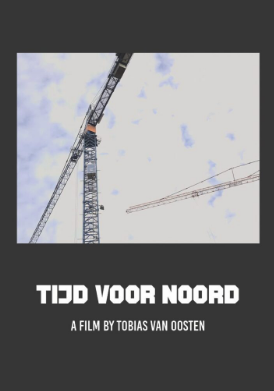
27 min ethnographic documentary made by Tobias van Oosten, 2020
Synopsis
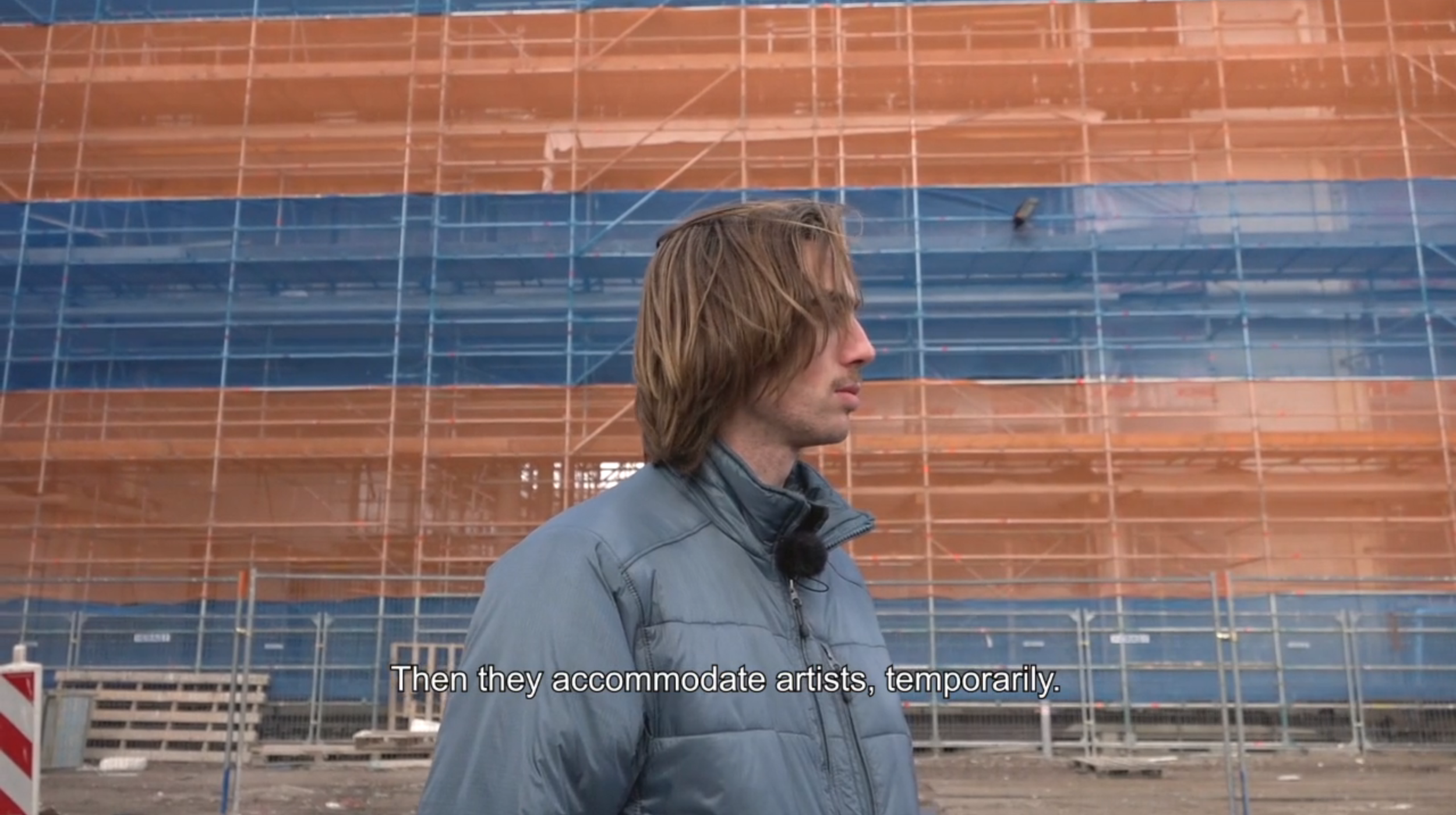
In the ethnographic film Time for North, we bike through the neighbourhood of a young local activist called Lucas. The film draws upon collaborative and historic photographs to establish a link between an industrial past and a present targeted by Gentrification. Throughout the film, Lucas meets up with residents who are dealing with the changes bound to Gentrification. We gain insight into the impact these changes have on their lives.
Festivals and Awards
2020 Amsterdam Buurt film Festival - Selected 2023 First-Time Filmmaker Volume 11 - Selected 2023 Filmmaker Sessions Volume 11 - Selected
Credits
Director, Camera, Editing, Sound, Research by Tobias van Oosten.
This film was made as part of the Leiden Master Programme Cultural Anthropology and Visual Ethnography 2020.
Ethnographic Research in Amsterdam-North
As a final thesis project for my master Cultural Anthropology and Visual Ethnography at Leiden University, I wrote a written thesis in article style, alongside this documentary. To do so, I conducted ethnographic research in Amsterdam North. To gain information I conducted informal interviews, attended local neighbourhood activities, did desk-top research on local Facebook groups, and conducted many formal interviews with artists, older neighbourhood inhabitants, activists and municipality workers. Some of which filmed. Whilst the film showcases a multitude of personalities and voices whose lives are influenced by Gentrification, the written component of my thesis focussed mainly on the experience of Gentrification by older neighborhood inhabitants. A vulnerable group living in precarious conditions, with fear of displacement due to increasing rents and changing neighborhood demographics.
Collaborative Analogue Photography
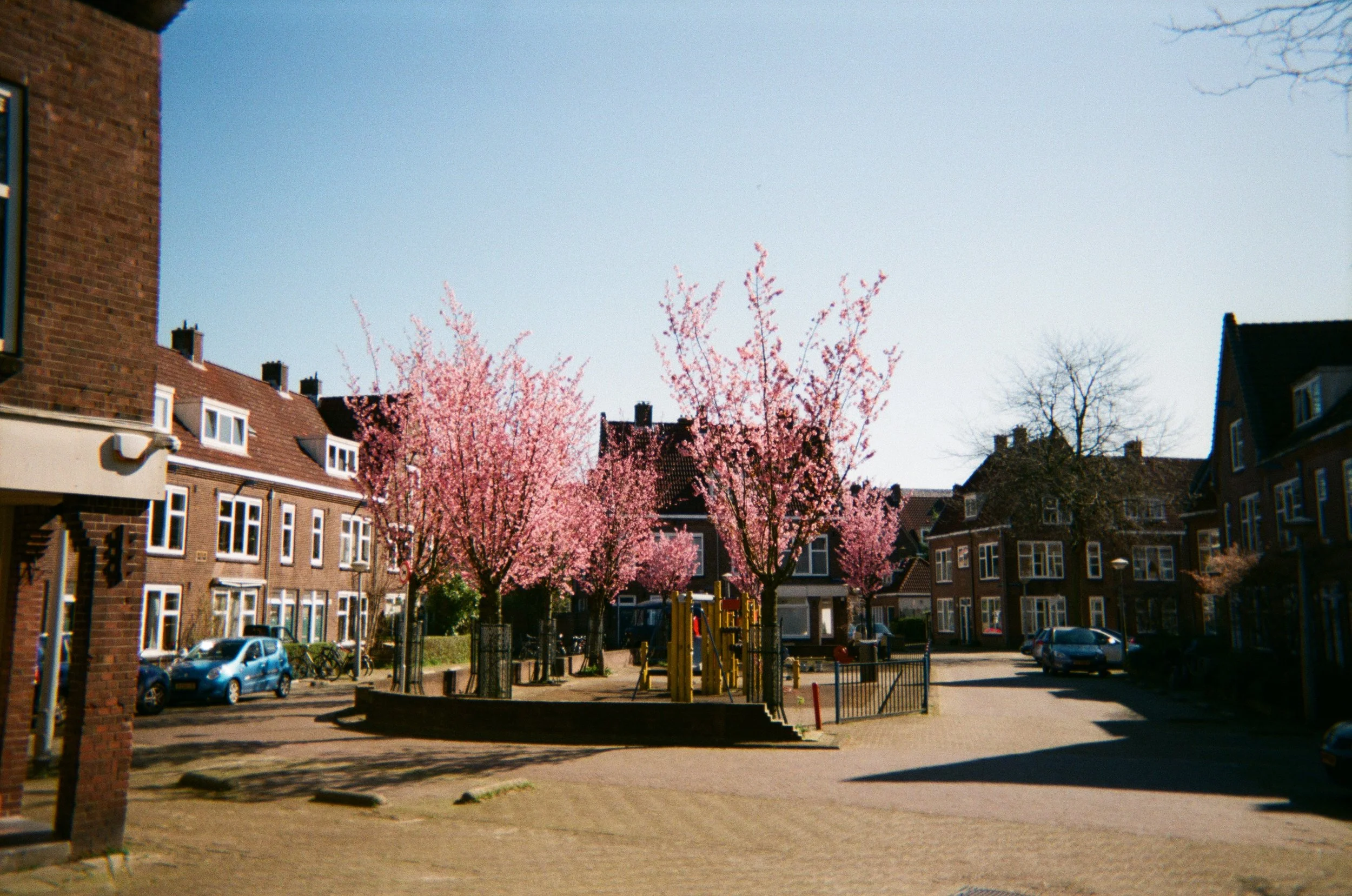
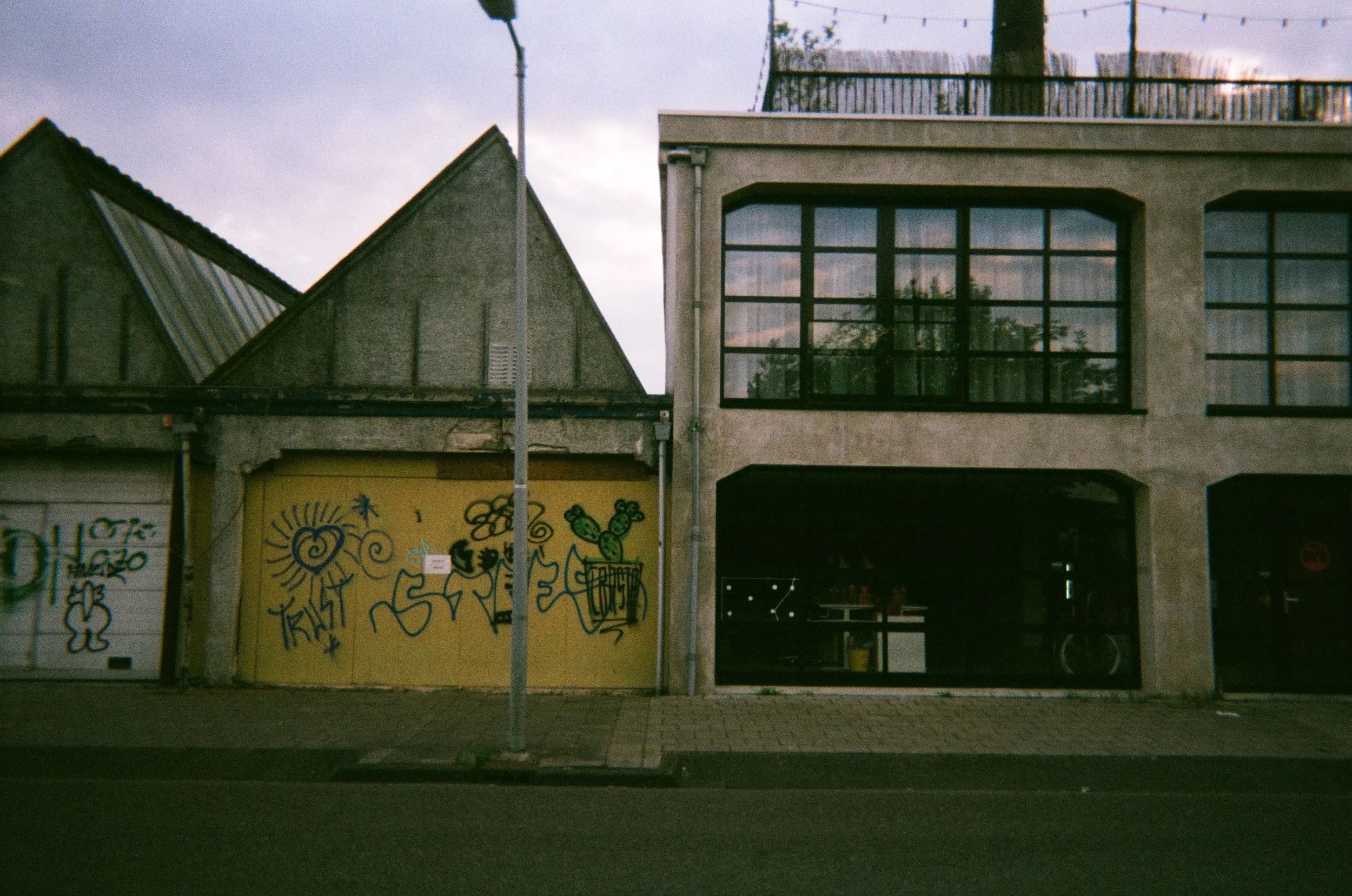
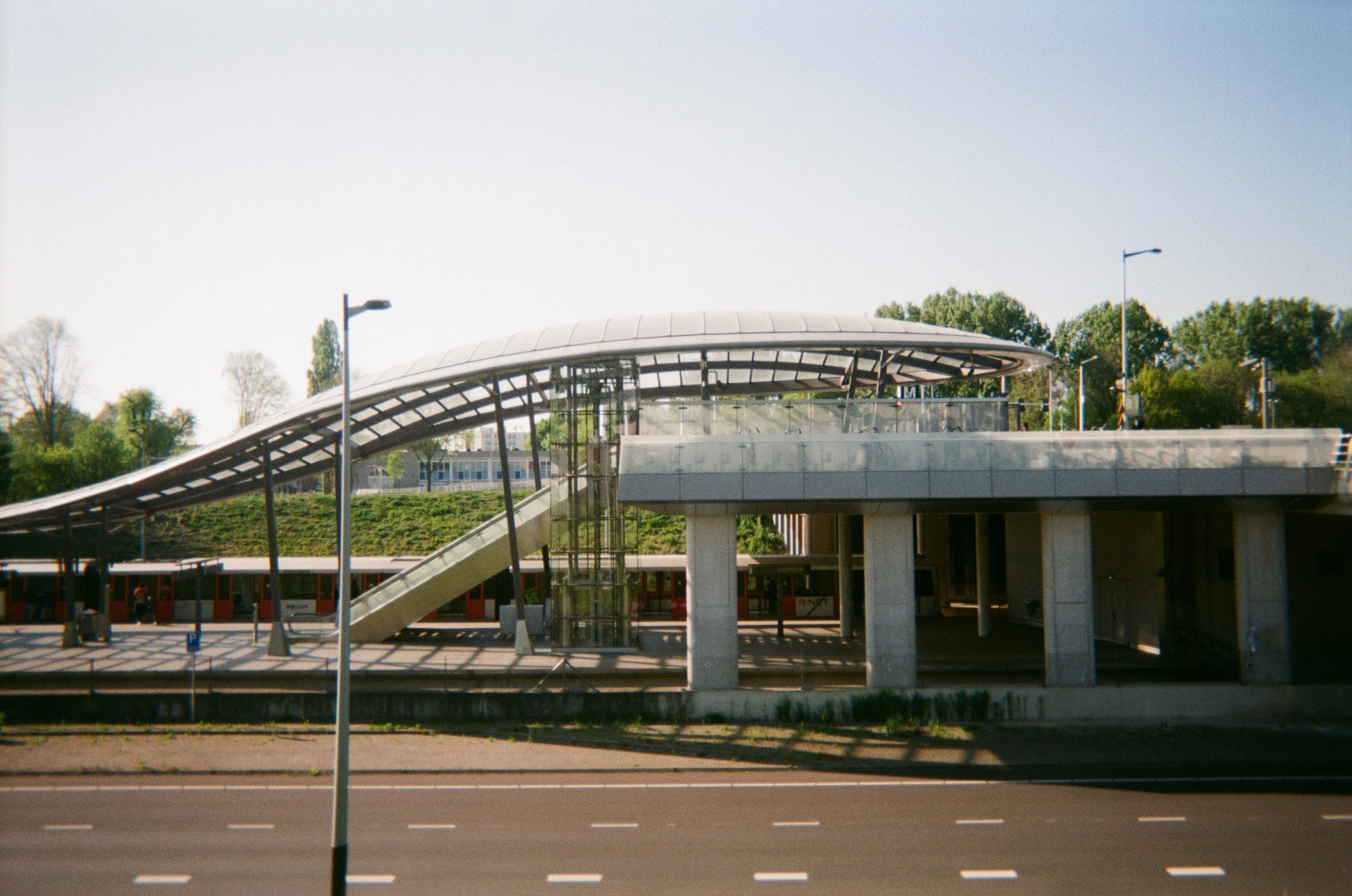
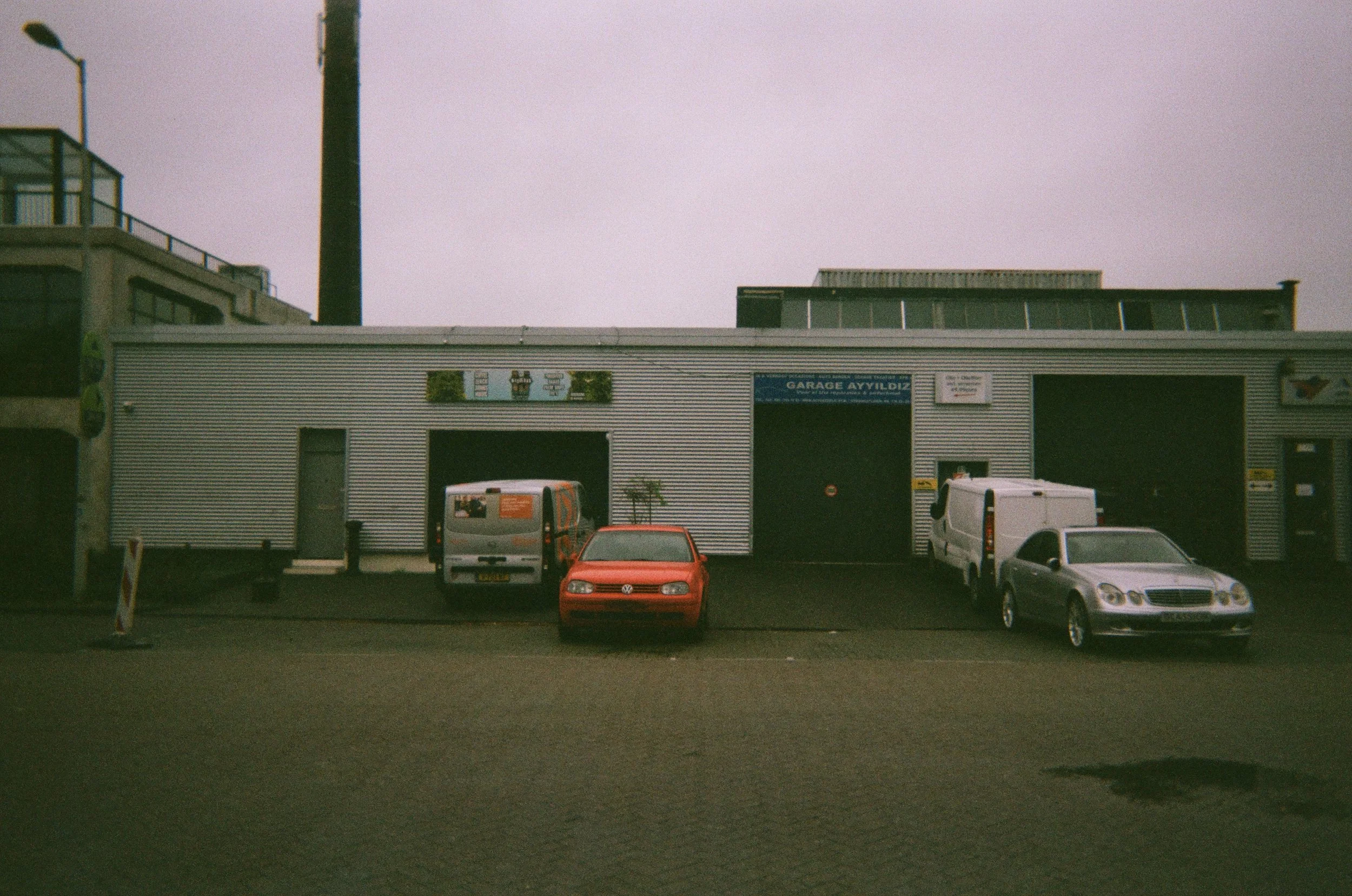
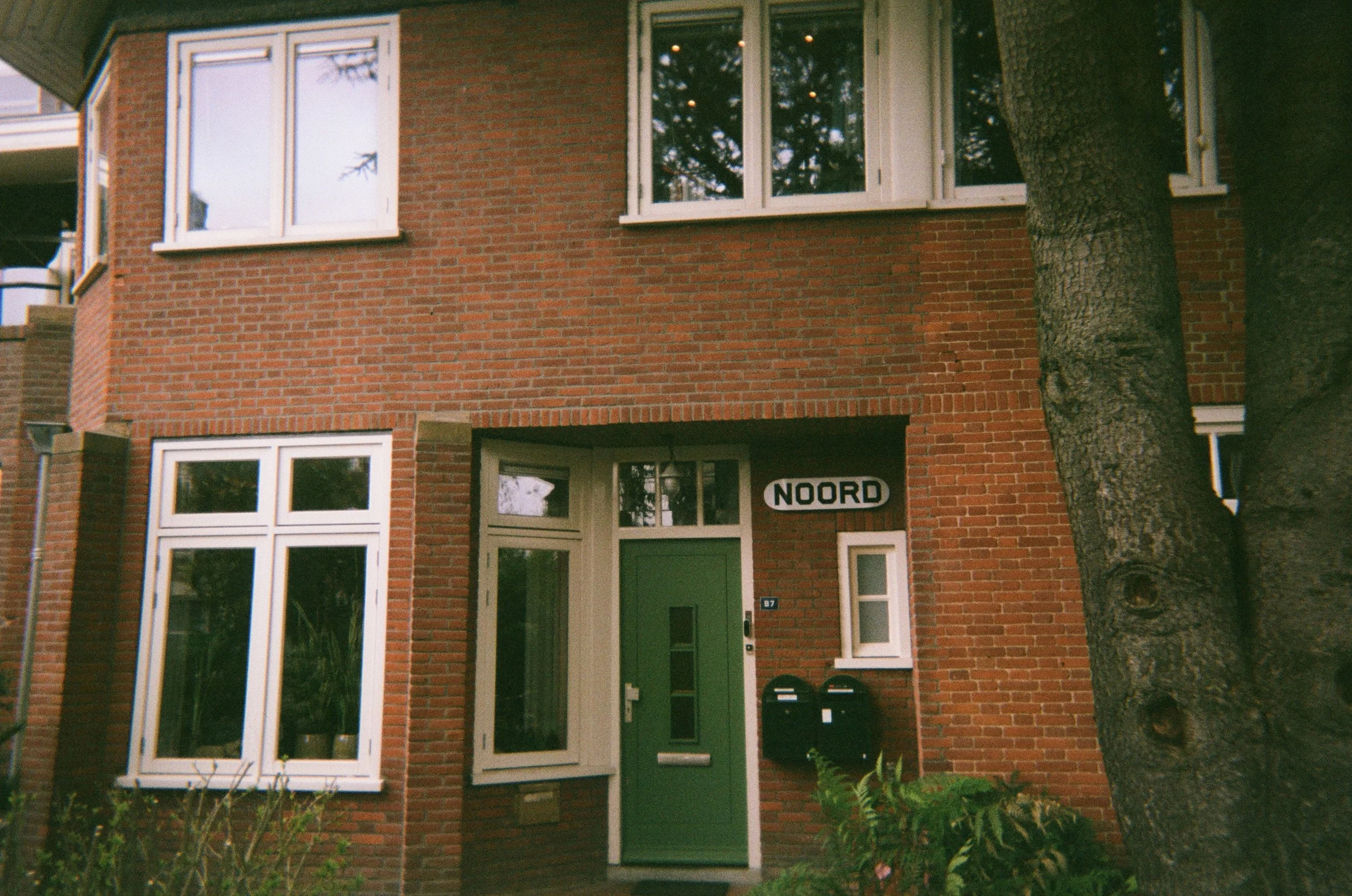
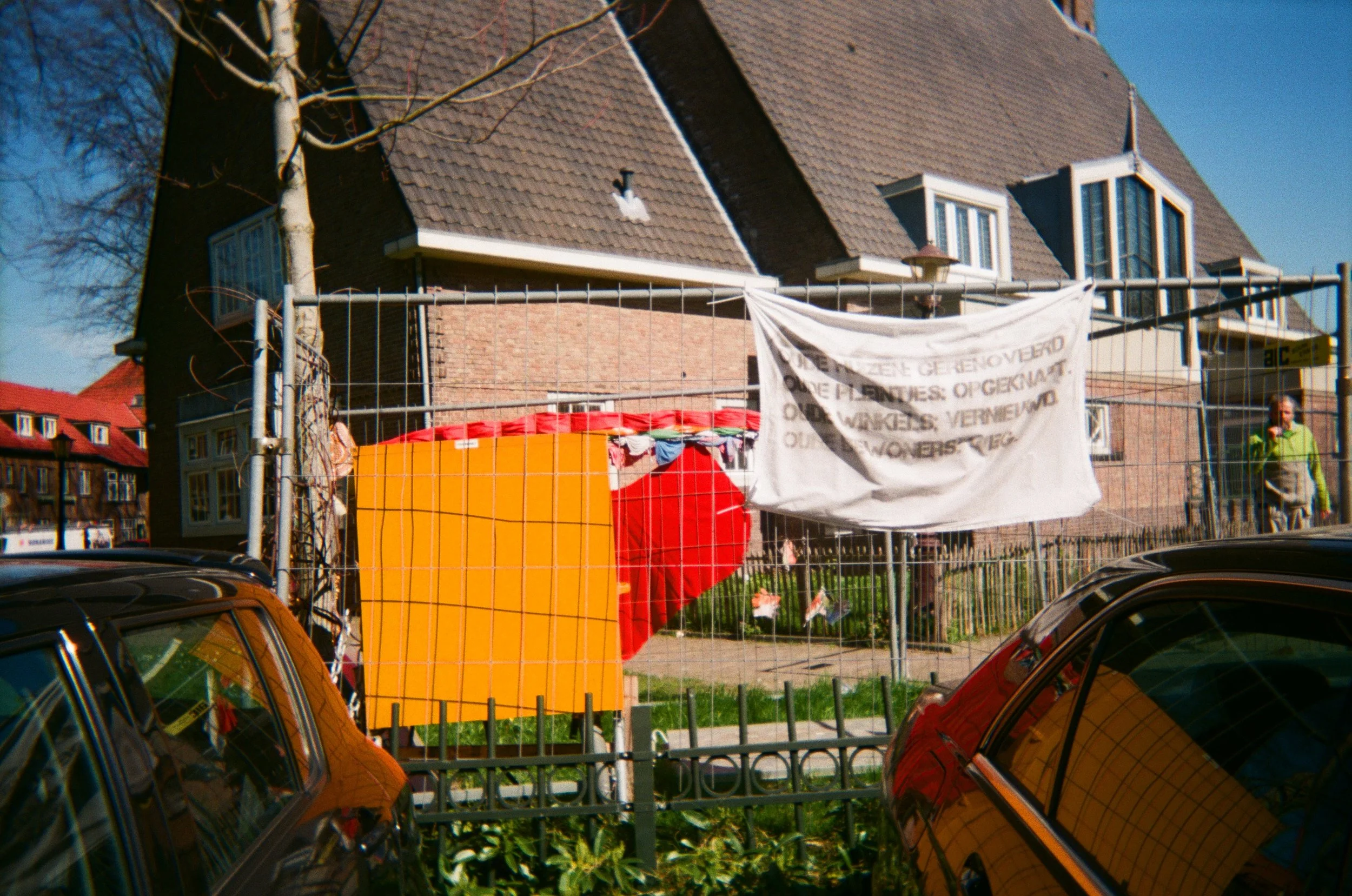
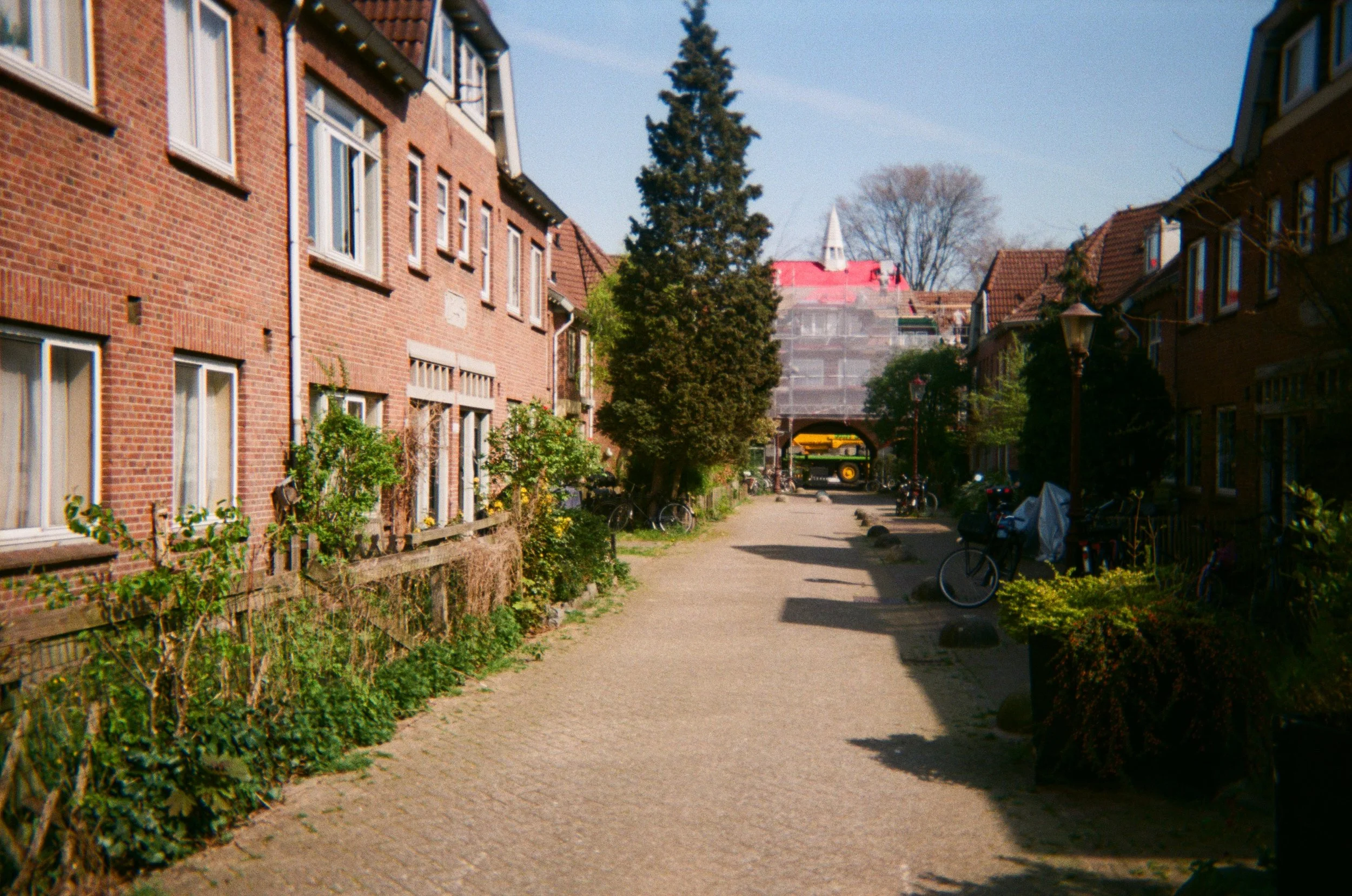
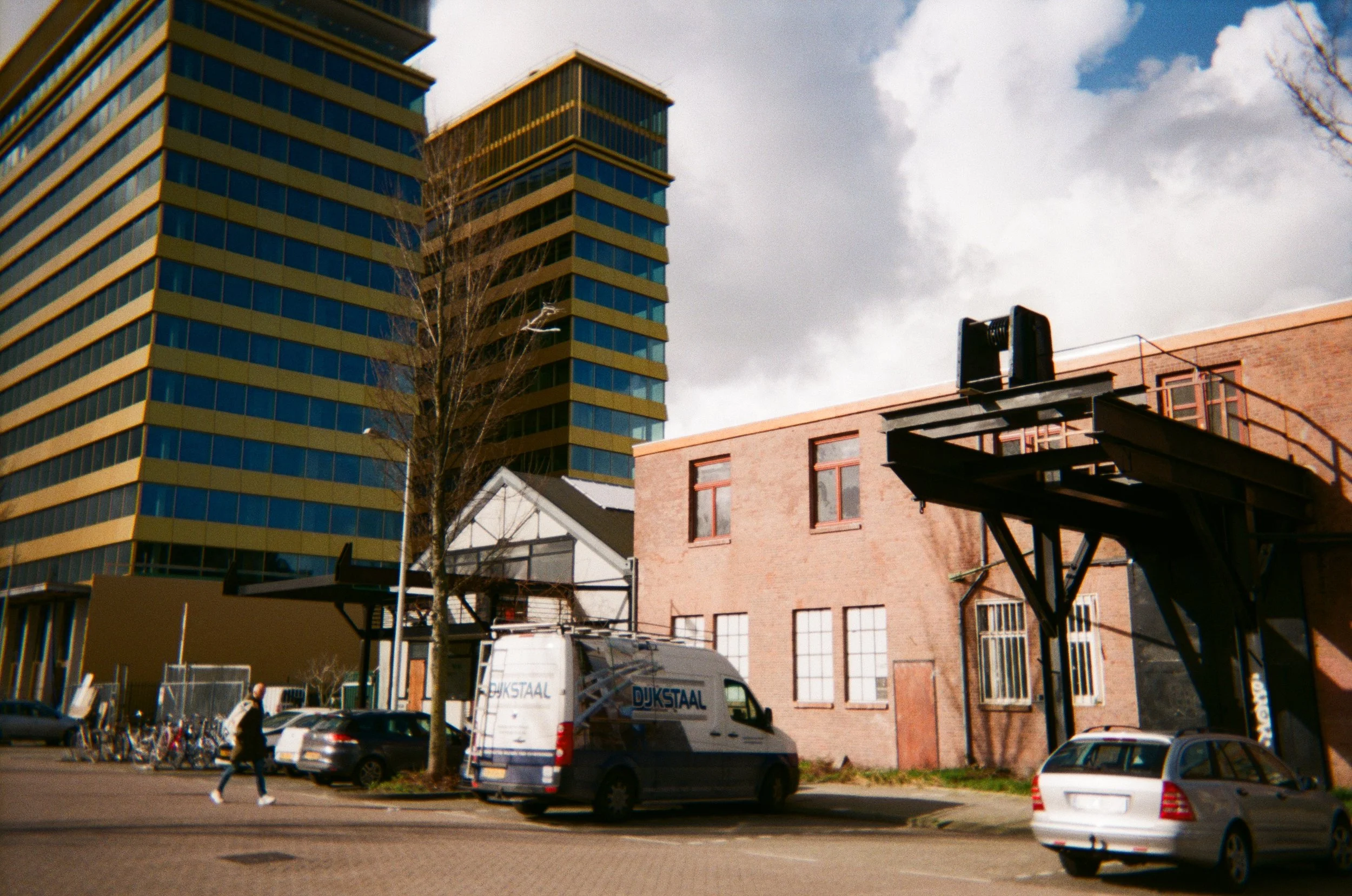
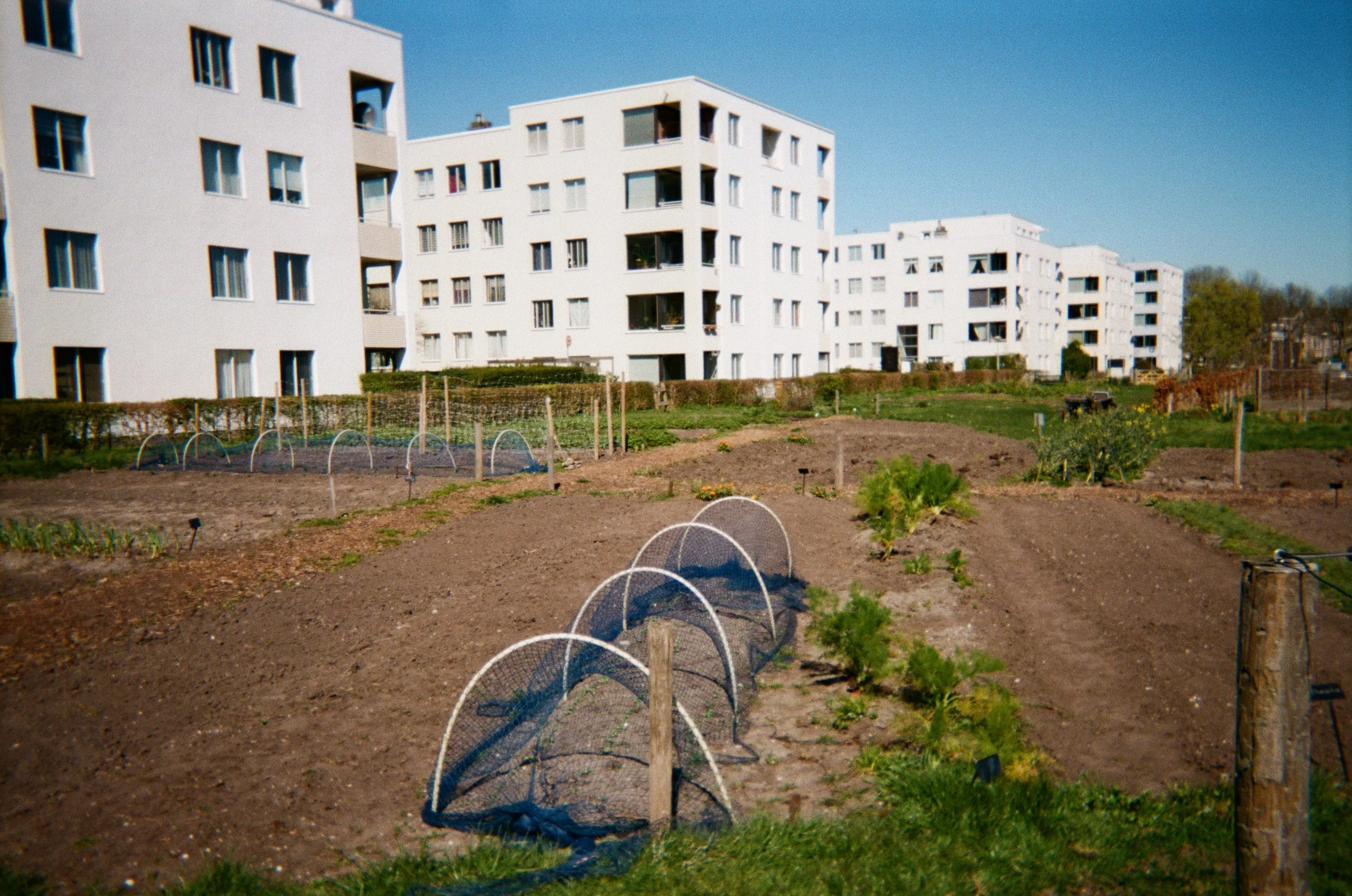
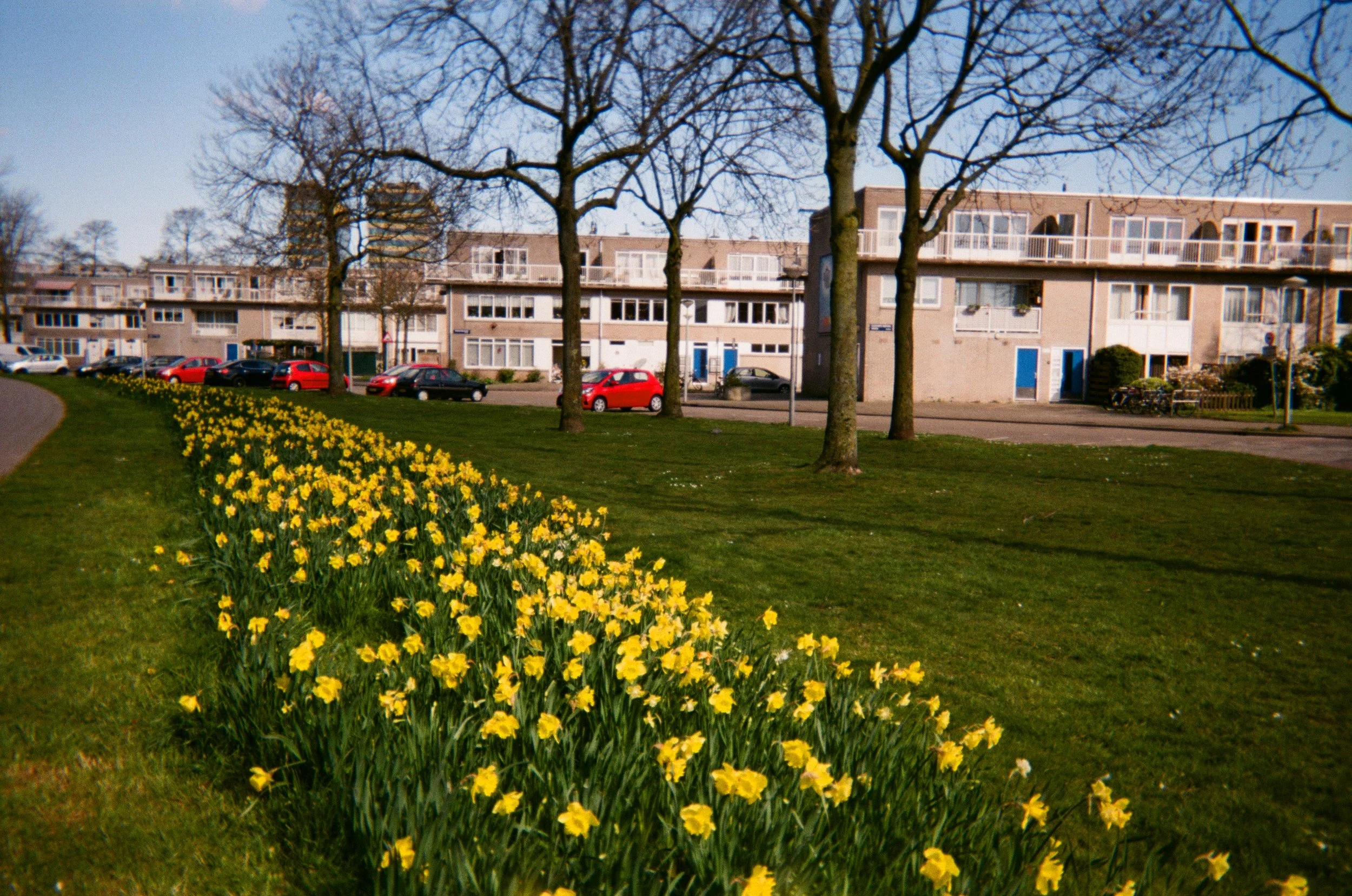
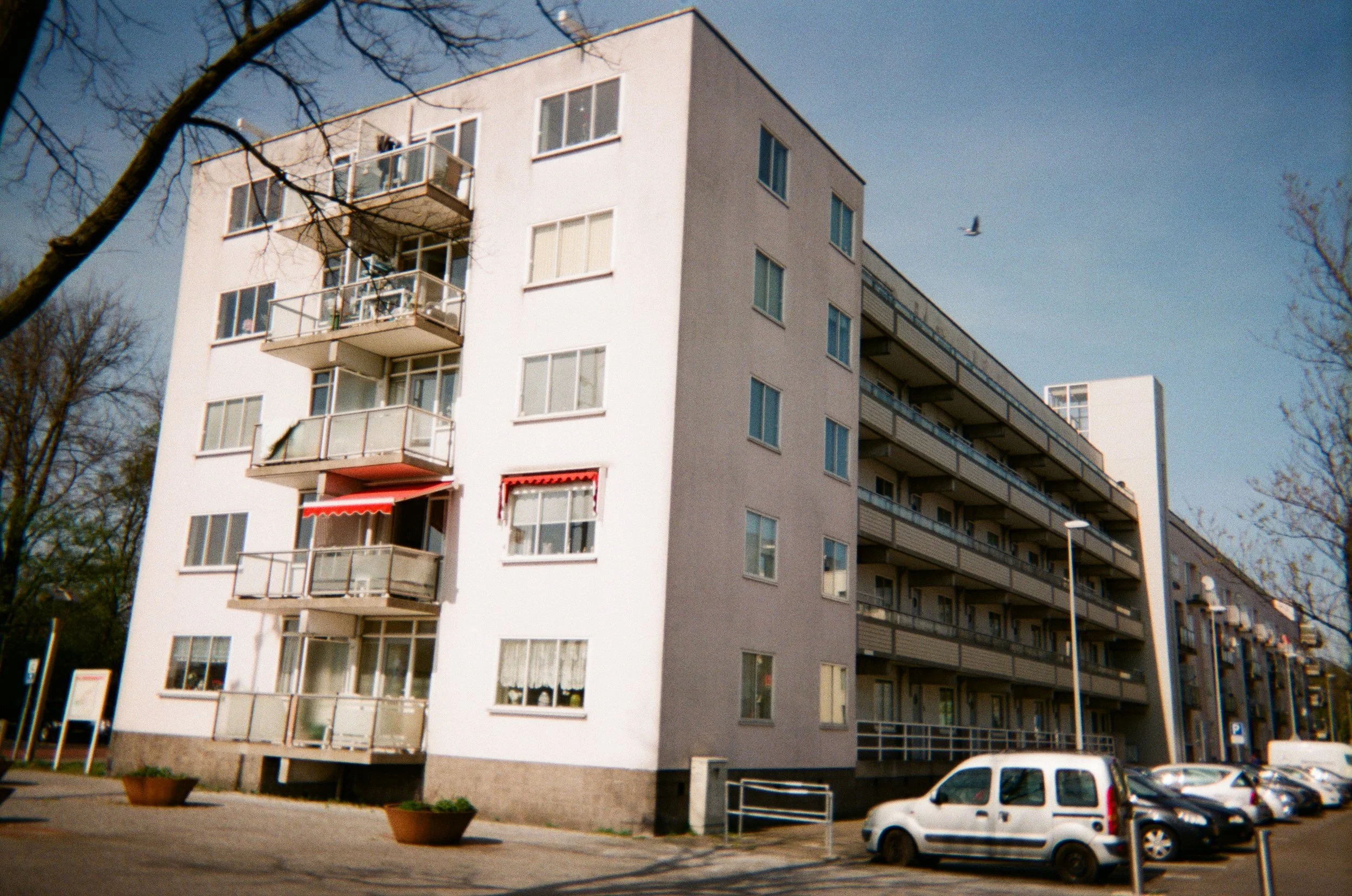
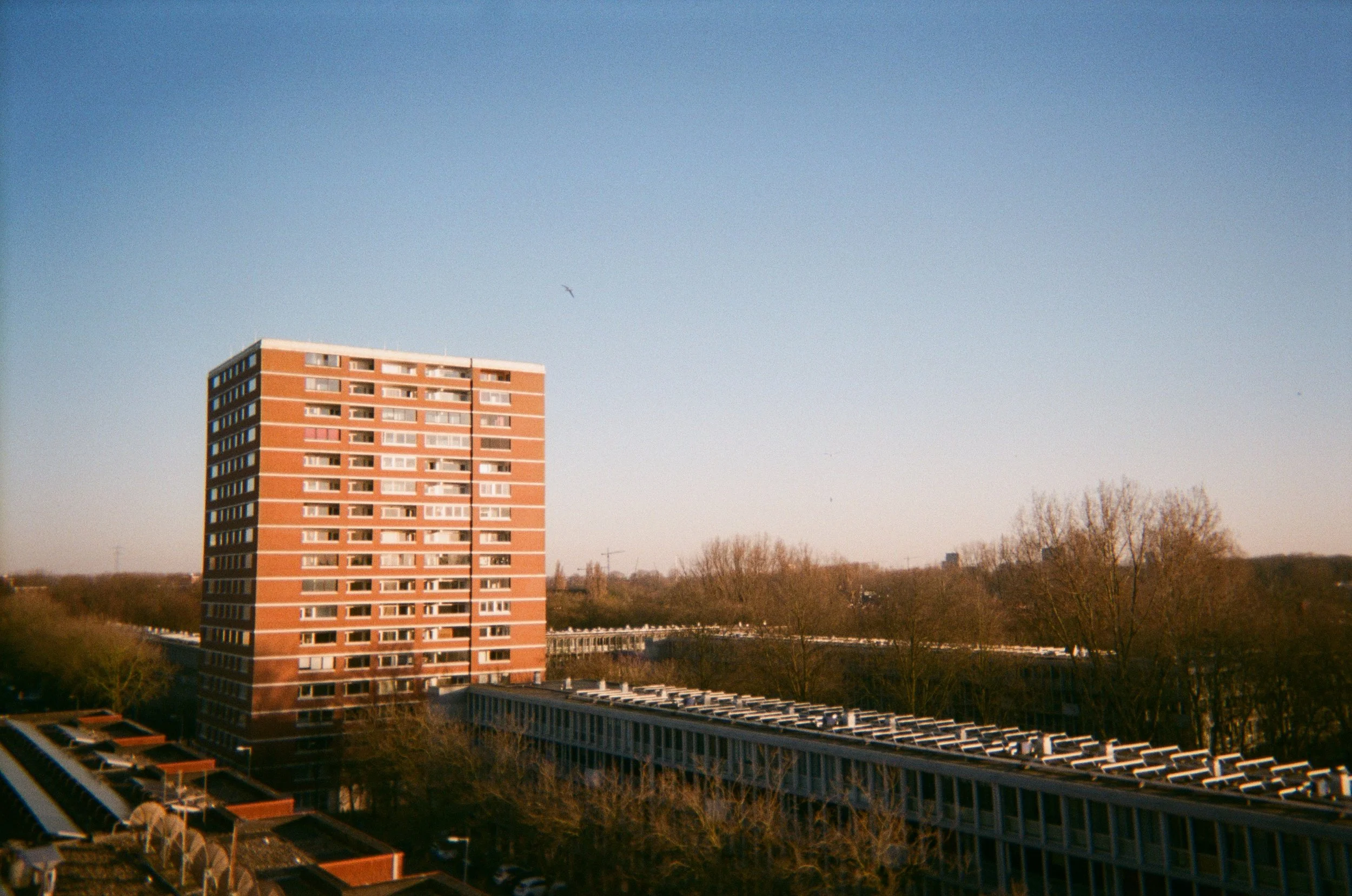
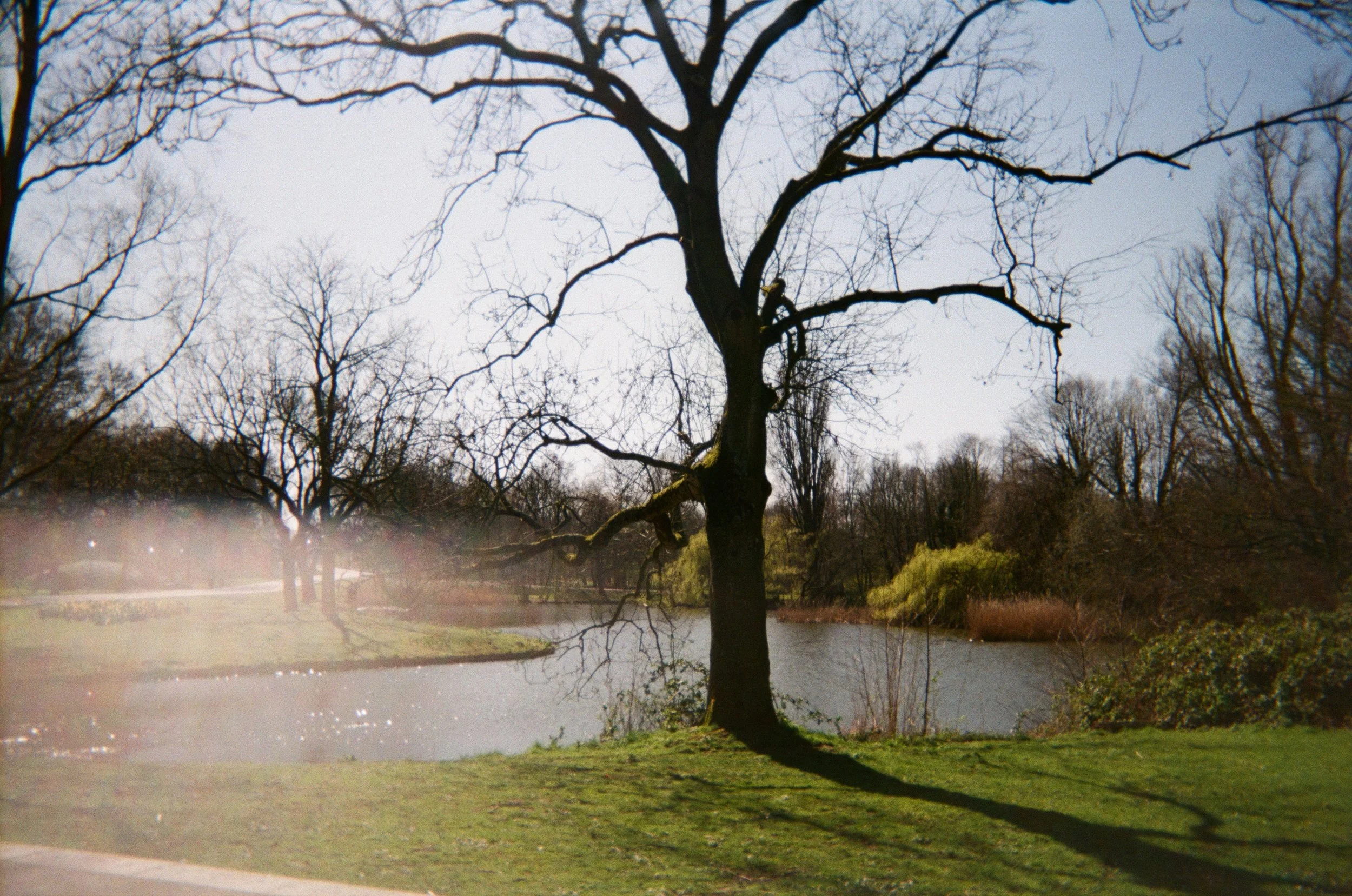
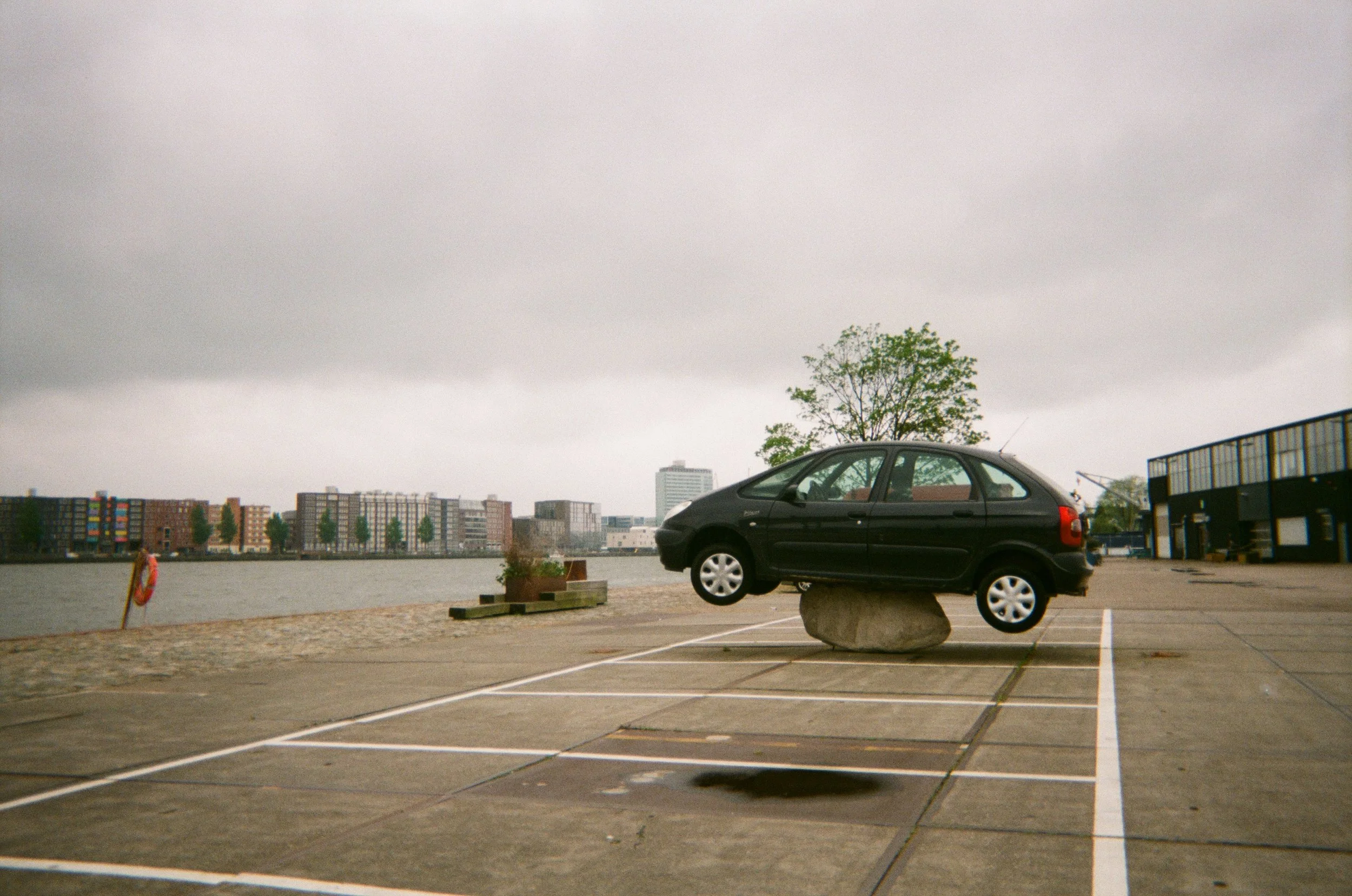
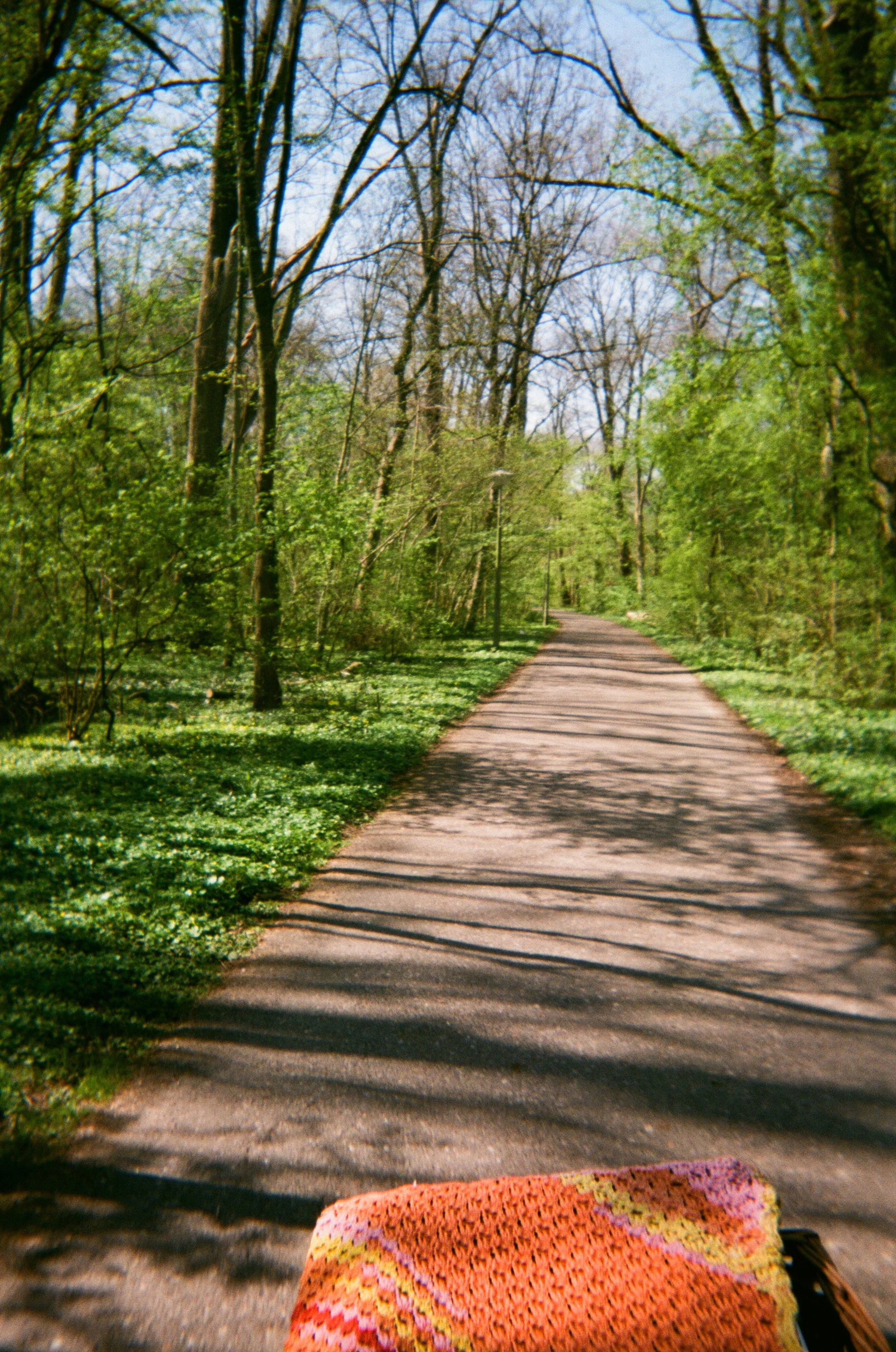
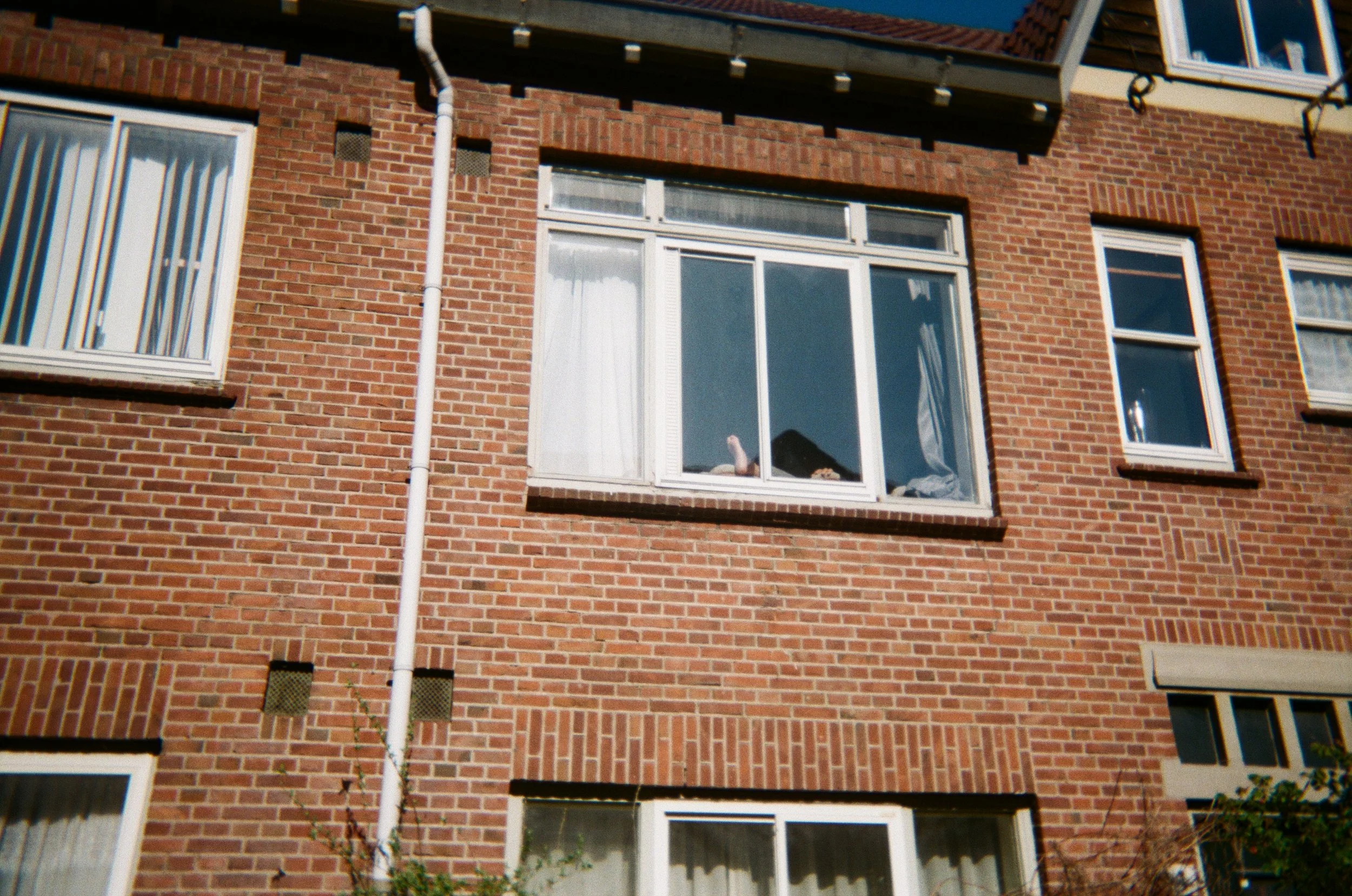
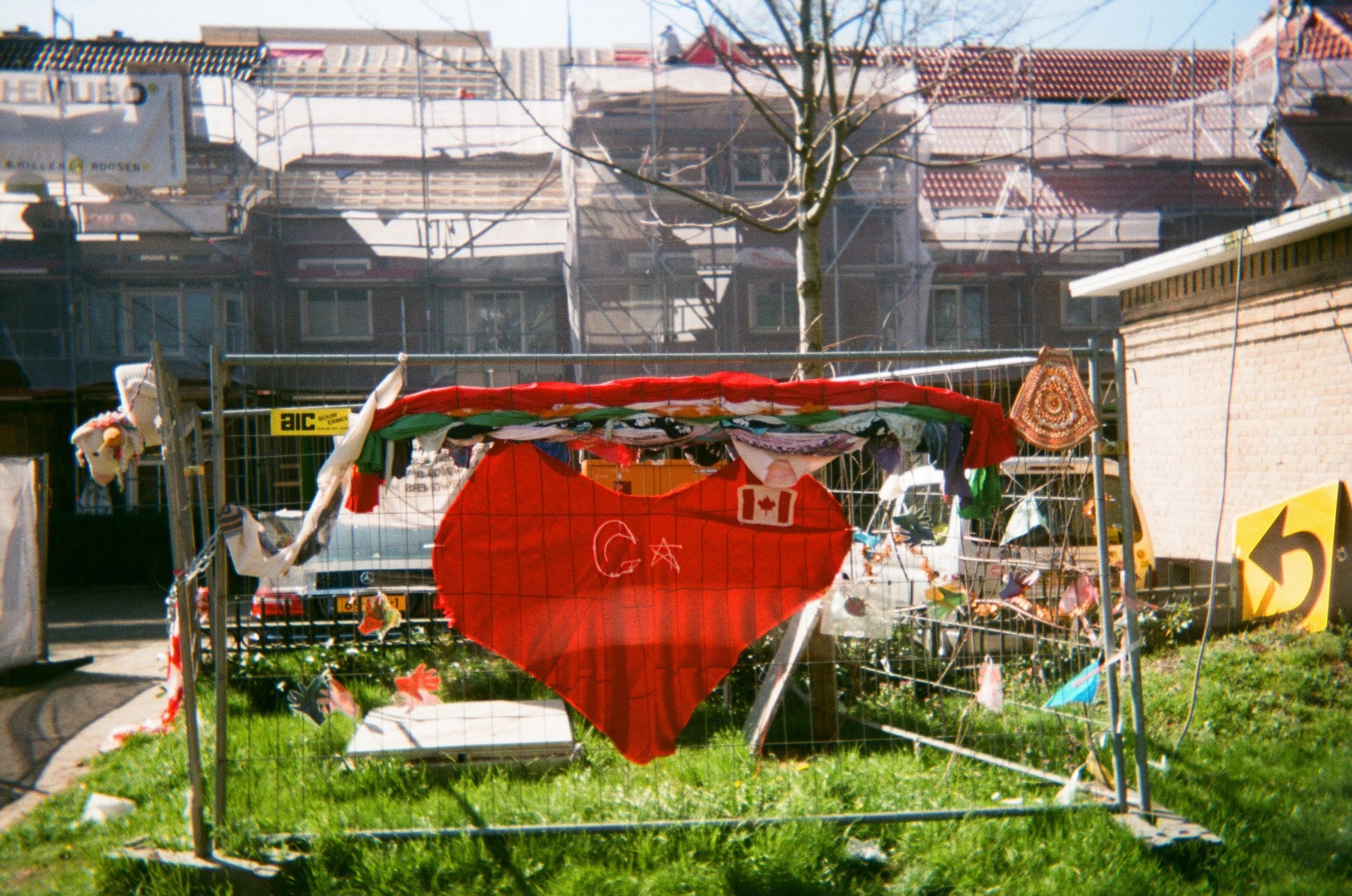
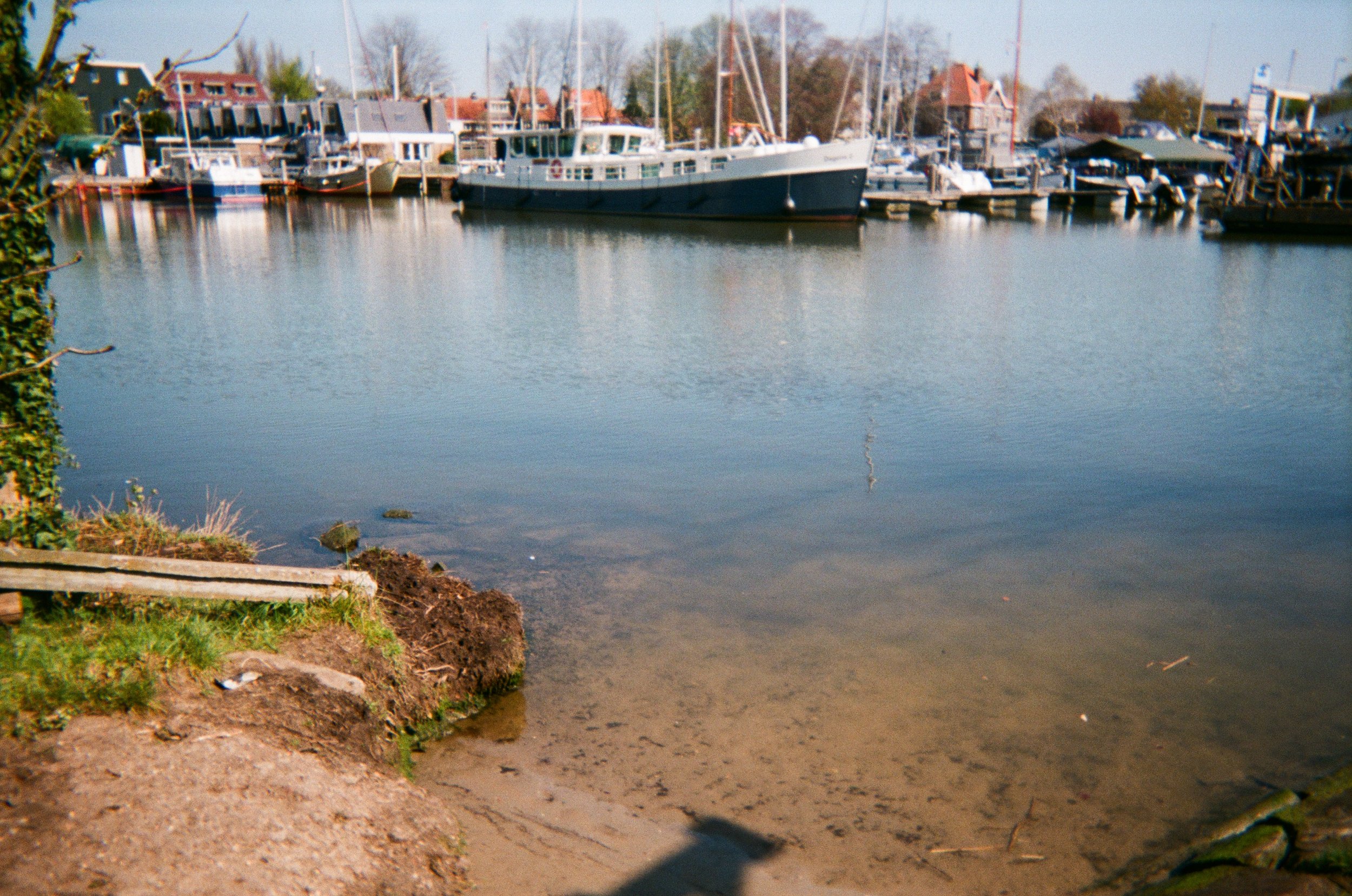
When going “in the field” in Amsterdam-North, many inhabitants were quite reluctant to talk about their neighbourhoods, with yet “another” researcher. Many times, I would first contact them a respondent informally, and invite them for coffee. After meeting up, I suggested a formal interview asking for permission to film. Some trust had be to built. One of the strategies I used to break some of the invisible barriers between researcher and researched was the analogue photography project. I decided to select a diverse group of respondents and equip them each with a analogue camera.
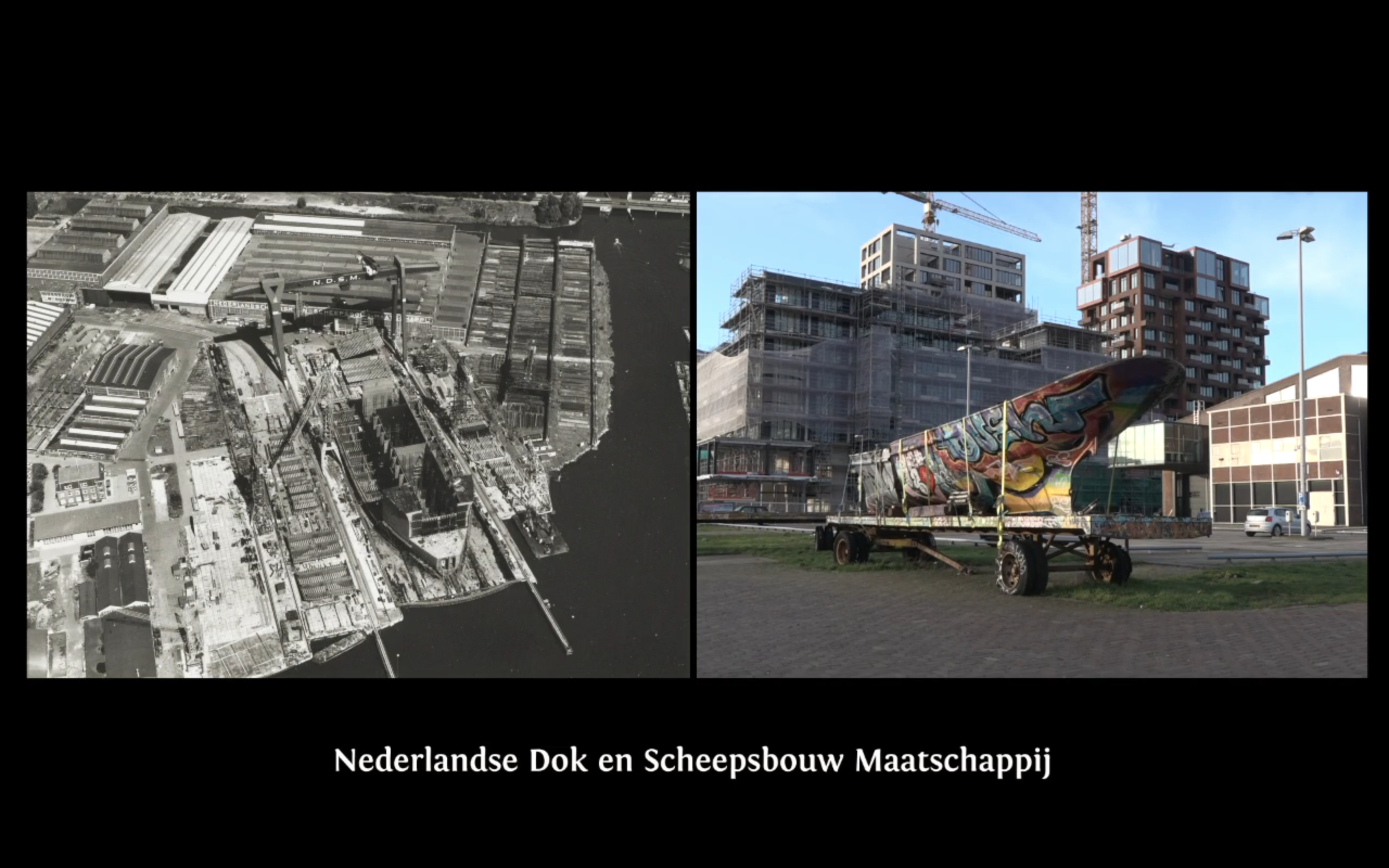
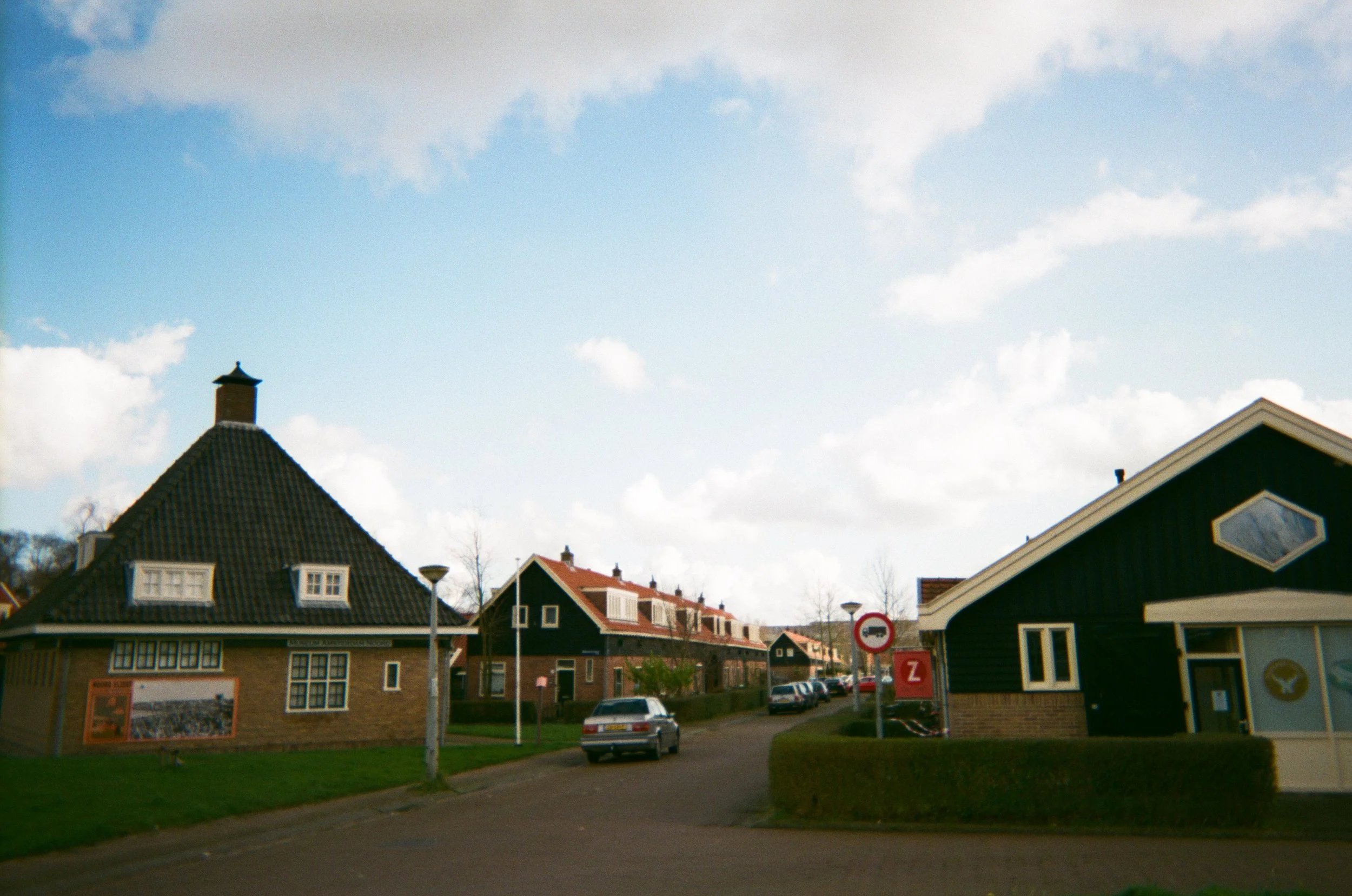
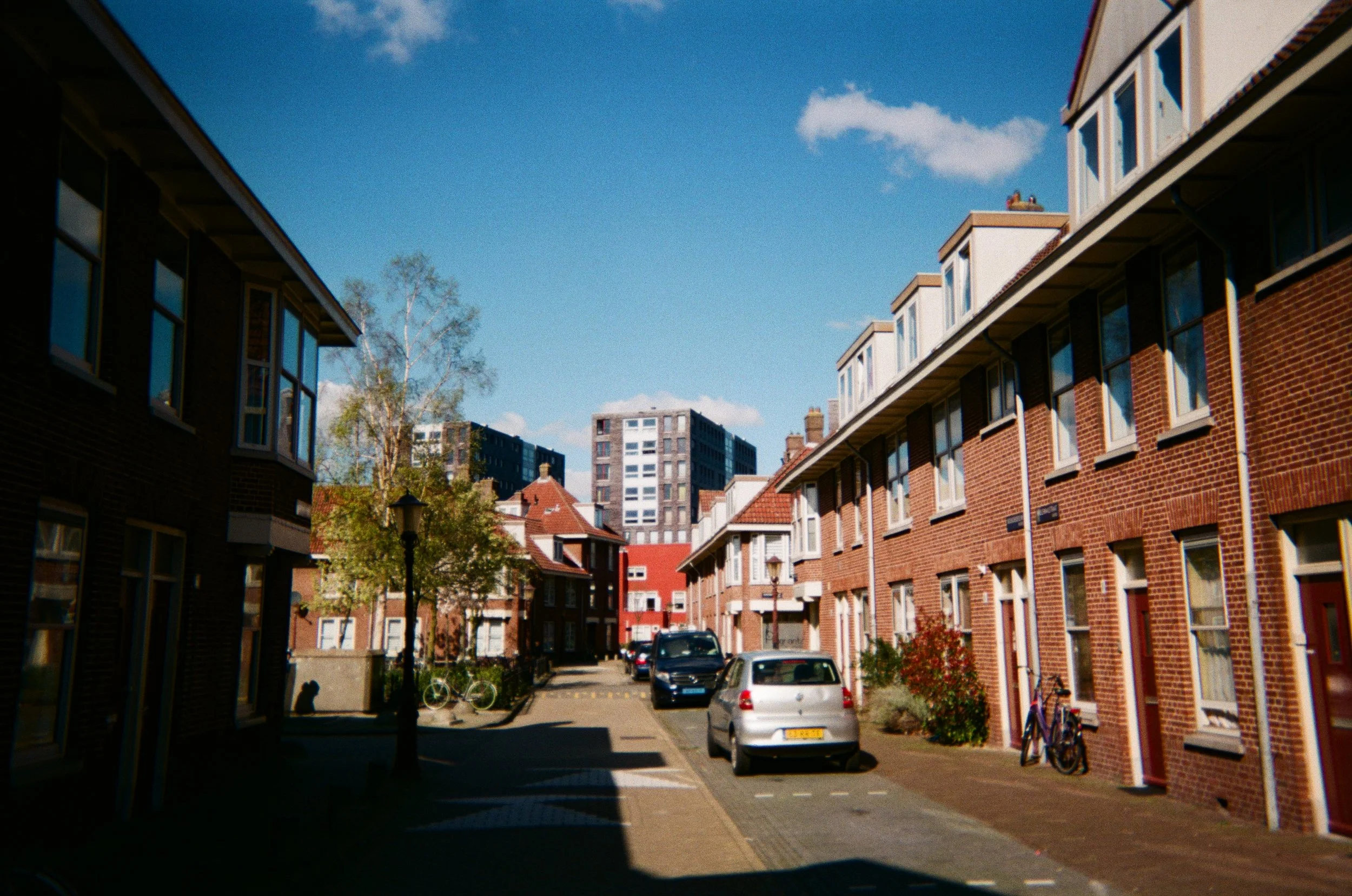
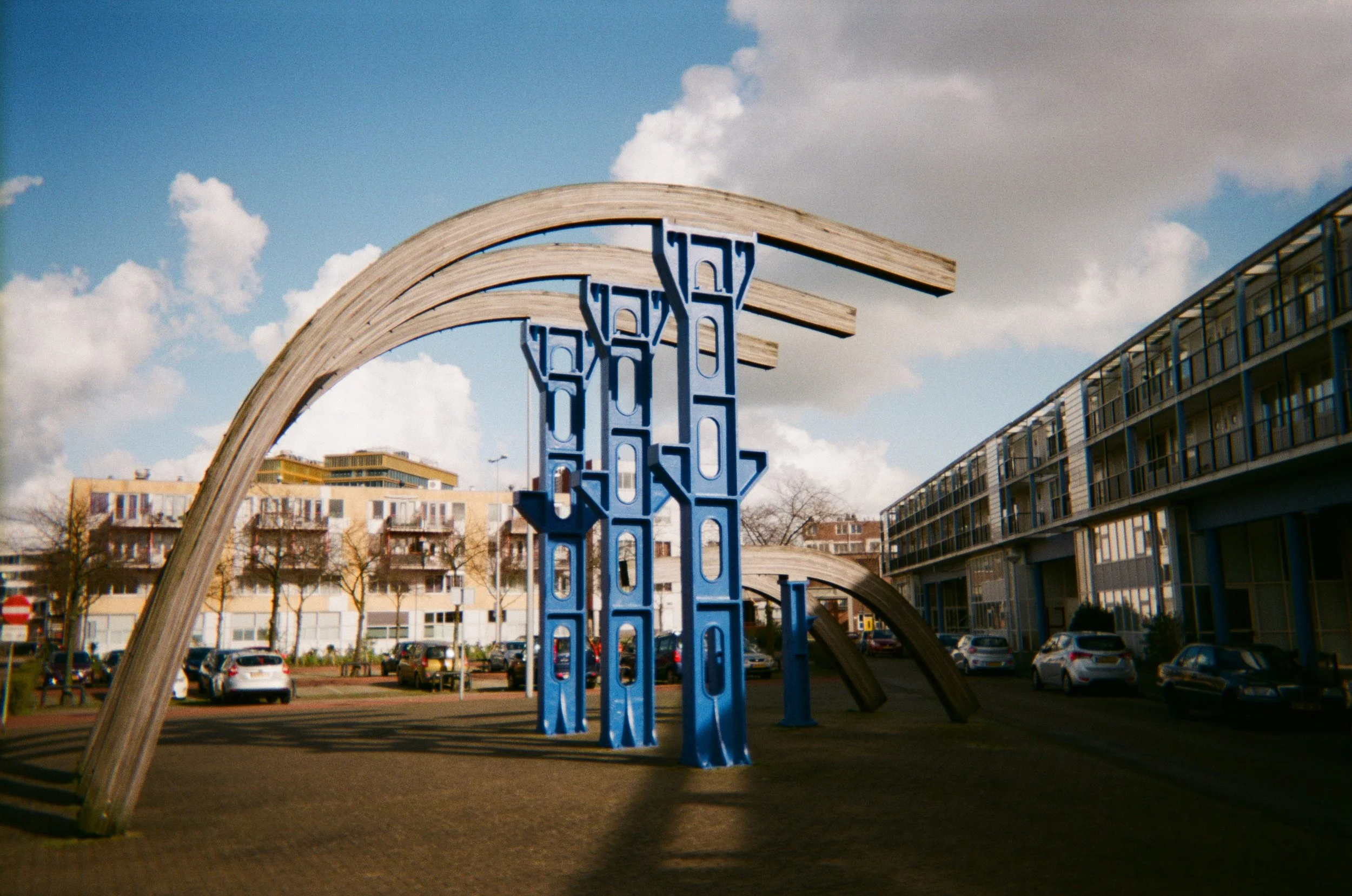
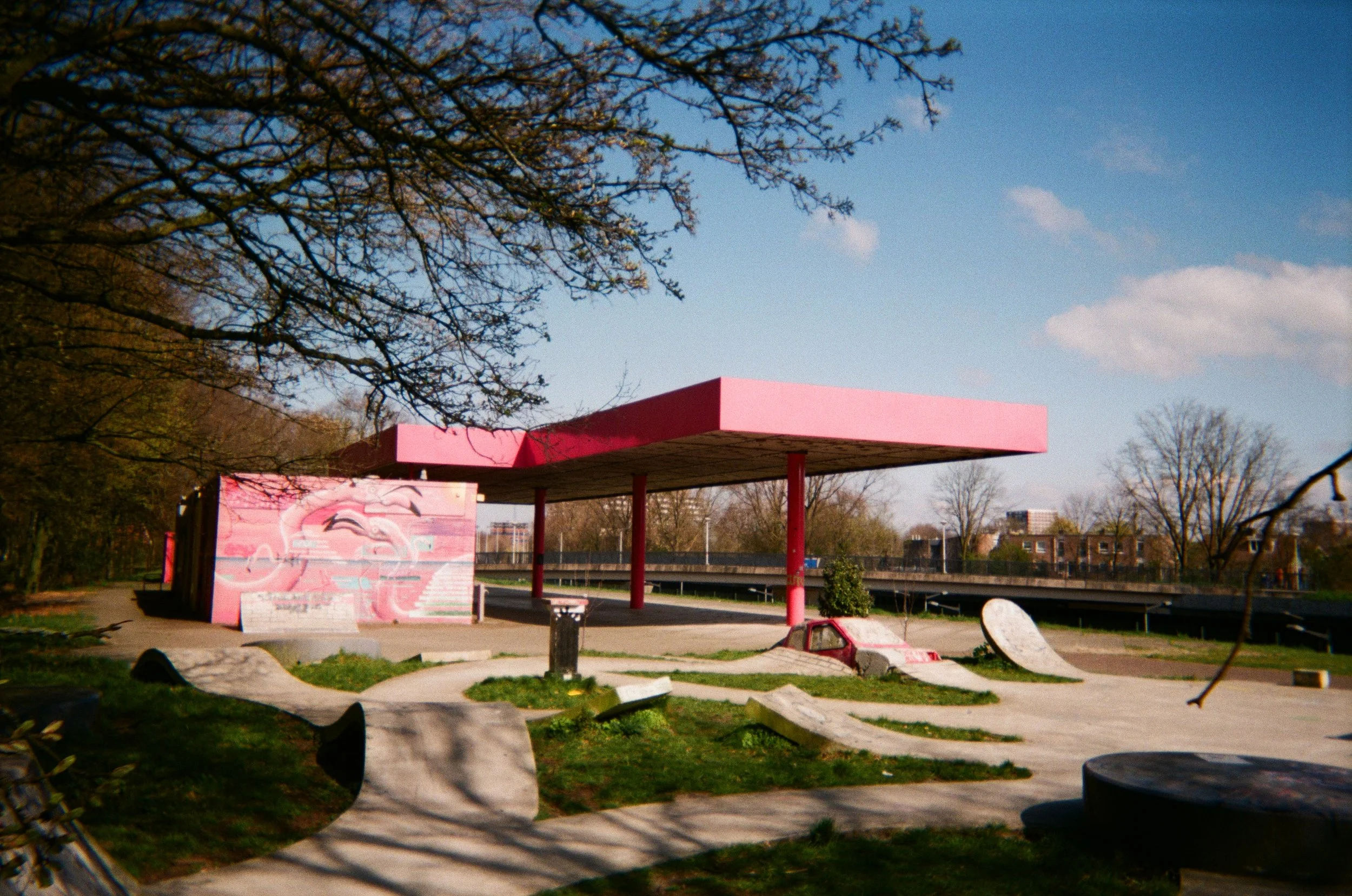
We came together as a group as I asked them to capture their neighborhoods within the context of ongoing gentrification. Many of the photos were incorporated into the film and the written thesis. By using analogue cameras, the new photos blurred the lines between present and past, a tactic also used by the municipalities. Old historic artefacts bound to the industrial past of the neighborhoods were used and rebranded to a new young demographic looking for housing. An example would be the NDSM warehouse, previously a shipyard/dock, now a cultural hotspot and breeding ground for artists and the creative economy. In the film I also used old historic photographs to juxtapose these visual elements of past and present, as now the neighborhood inhabitants with cameras, gained agency over the way they portrayed their homes.